Apalachicola Bay's Oyster Industry Reopens Amid Conservation Efforts |
After a five-year hiatus, oyster harvesting resumes with new regulations to ensure sustainability |
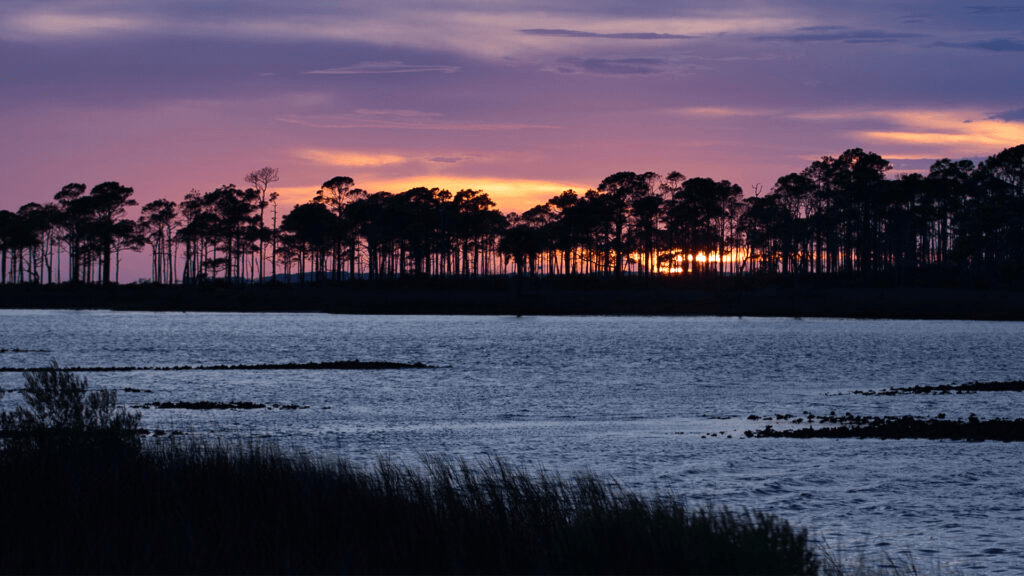
Apalachicola Bay, once the heart of Florida's oyster industry, has reopened for commercial and recreational oyster harvesting after a five-year closure. This significant event marks a new chapter for the local economy and the bay's delicate ecosystem.
The Florida Fish and Wildlife Conservation Commission (FWC) approved a revised oyster management plan, leading to the bay's reopening on January 1, 2026. The initial harvest season runs through February 28, with future seasons planned from October to February. This decision follows extensive restoration efforts and investments exceeding $38 million since 2019 to rejuvenate the bay's oyster population. ([flgov.com](https://www.flgov.com/eog/news/press/2025/governor-ron-desantis-applauds-fwcs-approval-reopen-apalachicola-bays-oyster?utm_source=openai))
Governor Ron DeSantis praised the reopening, stating, "Apalachicola's oyster industry has been the cornerstone of Florida's seafood economy for generations." He emphasized the importance of balancing economic interests with environmental stewardship to ensure the industry's longevity. ([flgov.com](https://www.flgov.com/eog/news/press/2025/governor-ron-desantis-applauds-fwcs-approval-reopen-apalachicola-bays-oyster?utm_source=openai))
The reopening comes with stringent regulations to prevent overharvesting and promote sustainability. Only specific areas of the bay meeting a minimum threshold of oyster abundance are open for harvesting. Harvesters must obtain appropriate endorsements or permits, and both commercial and recreational activities are subject to strict reporting requirements. ([myfwc.com](https://myfwc.com/news/all-news/oyster-1231/?utm_source=openai))
Local oystermen have expressed a mix of excitement and concern. Roger Mathis, a veteran harvester, shared, "I feel like a brand new man. It brings back a lot of memories." However, some worry about the long-term sustainability and economic viability under the new regulations. ([wjhg.com](https://www.wjhg.com/2026/01/02/apalachicola-starts-2026-with-long-awaited-return-oyster-harvesting/?utm_source=openai))
In parallel with the bay's reopening, significant conservation efforts are underway to support the ecosystem's health. The Conservation Fund has protected 10,000 acres of forestland near Port St. Joe, safeguarding critical habitats for species like the Florida manatee and the threatened wood stork. This initiative also aims to maintain water quality in Apalachicola Bay by preserving the natural filtration provided by the forest. ([conservationfund.org](https://www.conservationfund.org/our-impact/news-insights/florida-forest-protected-manatee-migration-threatened-wood-stork/?utm_source=openai))
Additionally, the Apalachicola Riverkeeper completed a $4.7 million slough restoration project, enhancing freshwater flow into the bay. By removing sediment buildup in key sloughs, the project improves water quality and supports the bay's oyster reefs. ([apalachicolariverkeeper.org](https://apalachicolariverkeeper.org/initiatives/slough-restoration-project/?utm_source=openai))
These combined efforts reflect a holistic approach to restoring Apalachicola Bay's oyster industry. By integrating sustainable harvesting practices with robust conservation initiatives, stakeholders aim to ensure the bay's vitality for future generations.
As the community celebrates the return of oyster harvesting, the emphasis remains on balancing economic revival with environmental responsibility. The success of these initiatives will depend on continued collaboration between government agencies, conservation organizations, and local harvesters. |
0 Comments
Join the conversation
Be the first to comment
Share your thoughts above.